
Getting™ Started | Ledger® Live: Desktop® | Ledger Wallet™
Ledger Live Desktop brings essential wallet tools together, allowing users to connect compatible devices, manage crypto accounts, monitor holdings, install applications, update software, and review transactions conveniently.
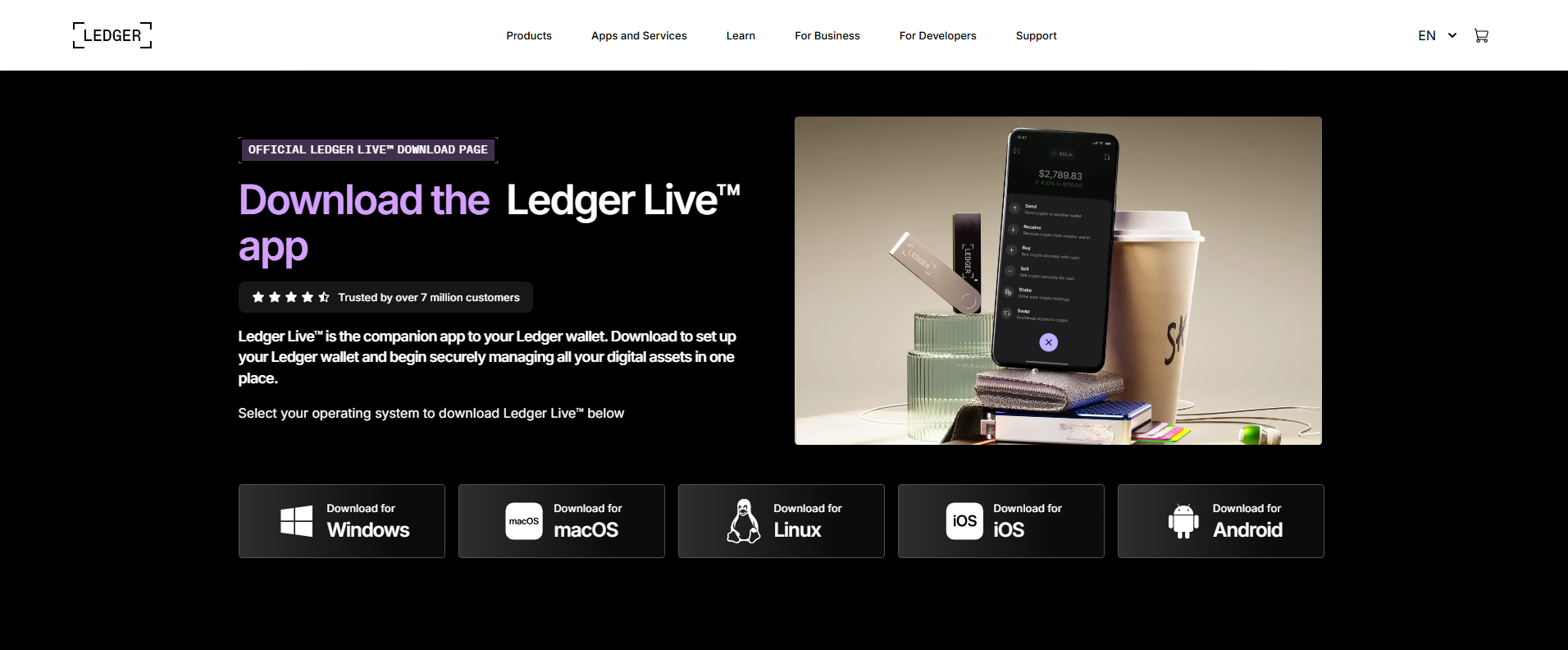
Ledger Live Desktop: Complete Guide to Secure Digital Asset Management
Managing cryptocurrency from a computer can be more convenient when users have a dedicated application for viewing accounts, checking transactions, and connecting a hardware wallet. Ledger Live Desktop provides a desktop environment that works with compatible Ledger hardware wallets and supported digital assets.
Cryptocurrency management can seem complicated when you are just getting started. Terms such as blockchain networks, private keys, wallet accounts, recovery phrases, and transaction confirmation may be unfamiliar. Learning how Ledger Live Desktop works can make everyday wallet management easier while helping users develop better security habits.
What Is Ledger Live Desktop?
Ledger Live Desktop is a desktop application created for managing supported cryptocurrency accounts with compatible Ledger hardware wallets. It provides a software interface where users can view account information and access available wallet-management functions.
The desktop application does not function as a replacement for the physical hardware wallet. Instead, both components work together. Ledger Live Desktop provides the interface, while the hardware device is designed to keep private keys protected and require physical confirmation for sensitive operations.
Cryptocurrency balances remain recorded on blockchain networks. The software provides a convenient way to interact with those networks through the connected hardware wallet.
Main Benefits of Ledger Live Desktop
A desktop application can make cryptocurrency management easier for users who prefer working from a computer.
The larger display of a desktop can make it more comfortable to review balances, examine transaction histories, manage accounts, and navigate wallet settings. Having these functions available through one application can also make regular portfolio management more organized.
Ledger Live Desktop may support various features depending on the cryptocurrency, device, and current software version. Users should always check the latest supported features before attempting a particular operation.
How Ledger Live Desktop Works
Ledger Live Desktop and a compatible Ledger hardware wallet perform different but connected roles.
The desktop application provides the interface for preparing and managing supported transactions. When an operation requires authorization, the hardware wallet can display relevant information for the user to review before approval.
This approach helps separate the software interface from the device responsible for protecting private-key access.
Before approving any transaction, users should carefully compare the information shown on the hardware wallet with what they intended to authorize. If something appears incorrect or unexpected, the transaction should not be approved.
Getting Started With Ledger Live Desktop
The first step is to obtain the desktop software from a legitimate official Ledger source. Downloading wallet applications from unknown websites or unofficial sources can expose users to counterfeit software and phishing attempts.
After installing the appropriate application, connect the compatible Ledger hardware wallet and follow the setup instructions provided by the current software.
A new device may require initialization before it can be used. Depending on the model, setup can include creating a PIN and generating recovery information.
Take your time during this process. Do not follow instructions from random websites or strangers if they conflict with the information provided through trusted Ledger resources.
Understanding Your Recovery Phrase
The recovery phrase is an essential part of a self-custody wallet and should be handled with extreme care.
It can be used to restore access to cryptocurrency accounts if the hardware device is lost, damaged, or unavailable. Because of its importance, the recovery phrase should never be treated like an ordinary password.
Do not type the recovery phrase into Ledger Live Desktop unless the official device instructions specifically require a legitimate recovery procedure. Never share it with customer support, websites, social-media accounts, or other people.
Avoid saving the words in cloud storage, email, screenshots, online documents, or unprotected computer files. Secure offline storage is generally a safer approach for sensitive recovery information.
Managing Accounts and Digital Assets
Once the hardware wallet has been configured, Ledger Live Desktop can help users manage supported cryptocurrency accounts.
Available features depend on the asset and current software support. Users may be able to view balances, inspect transaction activity, receive cryptocurrency, send assets, and manage applications associated with supported blockchain networks.
When receiving cryptocurrency, carefully check the address before providing it to another party. When sending assets, verify the destination address, amount, network, and transaction details before approving the operation.
A blockchain transaction may be irreversible, so careful verification is important.
Installing Supported Blockchain Applications
Some cryptocurrency networks require dedicated applications on the hardware wallet. Ledger Live Desktop can provide tools for managing supported applications.
Users should install applications only through legitimate sources. Avoid applications promoted through suspicious websites, unsolicited messages, or unknown download pages.
If an application unexpectedly asks for your recovery phrase or PIN, stop immediately. Sensitive wallet information should never be provided simply because a website or message claims that it is required for verification.
Keeping the Desktop Application Updated
Regular software updates can provide compatibility improvements, new features, bug fixes, and security enhancements.
At the same time, users should be cautious when receiving update notifications through emails, pop-ups, or messages. Cryptocurrency scams can imitate legitimate update warnings and direct users toward malicious downloads.
A safer approach is to independently access the official Ledger website and verify the current software information rather than trusting an unfamiliar update link.
Security Mistakes to Avoid
A hardware wallet can provide strong protection for private-key operations, but users still need to remain cautious.
Never share your recovery phrase or PIN with another person. Be particularly careful with individuals who claim to be wallet support and request confidential information.
Another common mistake is approving a transaction without checking the details on the hardware device. Always review important information before confirming an operation.
Users should also avoid connecting their wallet to websites they do not recognize. When interacting with decentralized applications or other services, understand what you are approving before signing a request.
Using Ledger Live Desktop Every Day
For people who regularly manage cryptocurrency from a computer, Ledger Live Desktop can provide a practical way to monitor supported accounts and review portfolio activity.
Having account information in a dedicated desktop interface can simplify routine tasks such as checking balances and examining previous transactions.
However, convenient software should not encourage rushed decisions. Important transfers deserve careful attention, particularly when large amounts of cryptocurrency are involved.
Taking a moment to verify the details can help prevent avoidable errors.
Final Thoughts
Ledger Live Desktop provides a desktop environment for interacting with compatible Ledger hardware wallets and managing supported cryptocurrency accounts. The software offers the interface and management tools, while the hardware wallet provides an important security layer for private-key access and transaction authorization.
A responsible setup starts by obtaining genuine software, following current device instructions, and protecting recovery information. Users should also keep their software current, verify transactions before approval, and remain alert to phishing websites, fake applications, and fraudulent support requests.
The security of cryptocurrency depends on both the technology being used and the decisions made by the owner. By using Ledger Live Desktop carefully and maintaining strong security habits, users can make their digital asset management more organized and controlled.
Updated about 4 hours ago